6 best office flooring ideas
considering the dimensions of the office space is essential for selecting carpet that fits properly, withstands the demands of daily use, and enhances the functionality and aesthetics of the workspace.
Taking accurate measurements, understanding traffic patterns, considering furniture placement, addressing accessibility requirements, and planning the design/layout are all critical aspects of choosing the right carpet for office flooring.
When selecting office flooring, it’s essential to consider factors such as the level of foot traffic, maintenance requirements, budget constraints, acoustic properties, and aesthetic preferences. Additionally, it’s a good idea to consult with flooring professionals to determine the most suitable option for your specific office environment.
Here, we investigate the choices for better selection of office flooring based on the size of the setting.
office flooring Room Size and Shape:
Accurate measurements of the office area are critical in establishing the amount of carpet required. This entails measuring the length and width of each room or space where carpet will be put. Multiply these dimensions to determine the total square footage required.
The size and form of the room will influence the carpet’s layout and seam placement. Larger rooms may necessitate many rolls of carpet or custom-cut pieces to cover the full floor surface evenly.
Irregularly shaped rooms, such as those with alcoves, bay windows, or sloped walls, necessitate precise measurement and design to guarantee that the carpet fits perfectly with minimal waste or gaps.
office flooring Traffic patterns:
Understanding the flow of foot traffic within the office is essential for selecting carpet that can withstand heavy use without showing signs of wear and tear. High-traffic areas like corridors, entrances, and common areas require durable carpet materials with tight weaves or low pile heights.
Consideration should also be given to directional traffic patterns, such as pathways between workstations or access points to meeting rooms. Carpet tiles can be arranged in specific patterns to accommodate traffic flow and minimize wear in key areas.
Furniture Placement of office carpeting:
The dimensions of the office area will determine the positioning of furniture, which will influence carpet choosing. Heavy furniture, such as desks, chairs, and filing cabinets, can compress carpet fibers over time, causing indentations and wear patterns.
Choose carpet with robust fibers and good recovery capabilities to handle furniture weight and retain its look over time. Carpet tiles are versatile in terms of design and layout, allowing for quick replacement of broken tiles under heavy furniture without upsetting the entire floor.
Accessibility of commercial office:
Offices must consider carpet thickness and texture while complying with accessibility criteria such as the Americans with Disabilities Act (ADA). Low-pile carpets with strong backing are easier for wheelchairs to go over than thicker, plush carpets.
Considering the dimensions and the office environment you want, we introduce 6 general categories of the best choices for office flooring.
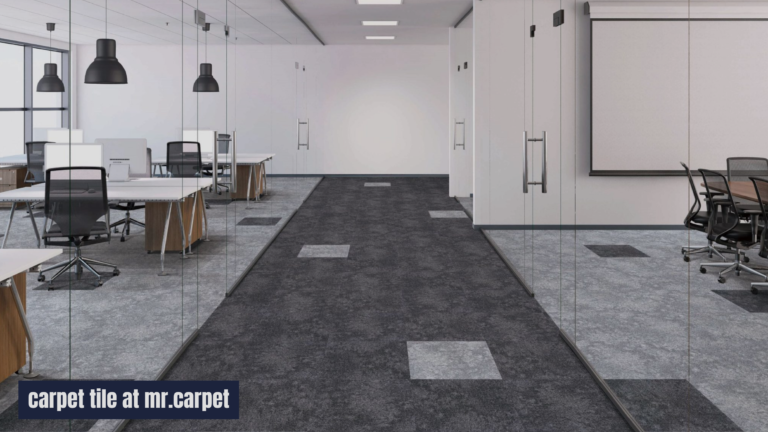
1. Carpet Tiles:
Advantages: Carpet tiles offer excellent noise reduction properties, making them suitable for offices where sound absorption is important.
They provide a soft and comfortable surface underfoot, which can be beneficial in areas where employees may be standing for extended periods. Additionally, carpet tiles are relatively easy to install and replace, as individual tiles can be swapped out if damaged or stained.
Considerations: While carpet tiles are durable, they may require more frequent cleaning compared to other flooring options to maintain their appearance. They can also trap dust, allergens, and stains more easily, so regular maintenance is crucial.
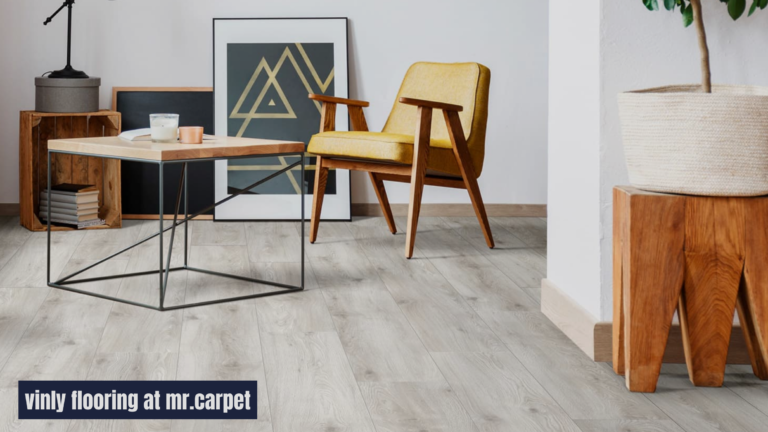
2. Luxury Vinyl tile Flooring: Synonymous with durability
Advantages: Vinyl flooring, particularly luxury vinyl tiles (LVT) or luxury vinyl planks (LVP), offers a wide range of styles and designs, including options that mimic the look of natural materials like wood or stone.
It’s highly durable, water-resistant, and easy to maintain, making it suitable for high-traffic office areas. Vinyl flooring also tends to be more budget-friendly compared to some other options.
Considerations: While vinyl flooring is relatively low-maintenance, it can be susceptible to scratching or denting from heavy furniture or sharp objects. Additionally, some types of vinyl flooring may emit volatile organic
compounds (VOCs), although low-VOC options are available.
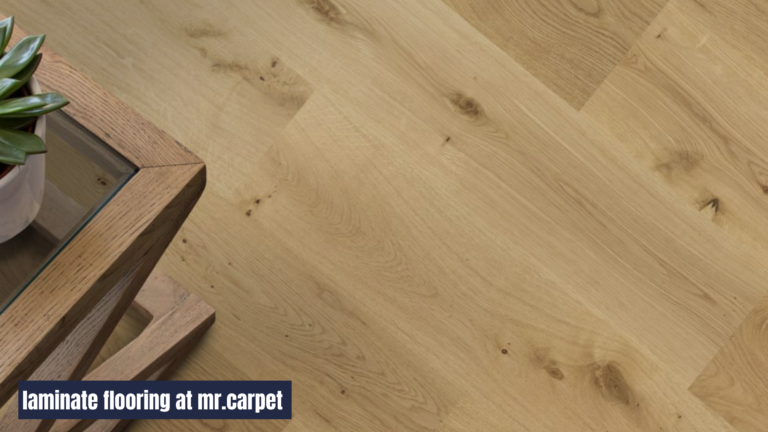
3. Laminate Flooring: Realistic Timber Look
Advantages: Laminate flooring provides the look of hardwood or tile flooring at a lower cost. It’s durable, scratch-resistant, and easy to clean, making it suitable for office environments with moderate foot traffic. Laminate flooring is also available in a variety of styles and colors.
Considerations: While laminate flooring is more resistant to moisture than hardwood flooring, it can still be damaged by standing water. Additionally, laminate flooring may not offer the same level of authenticity or longevity as natural hardwood or tile.
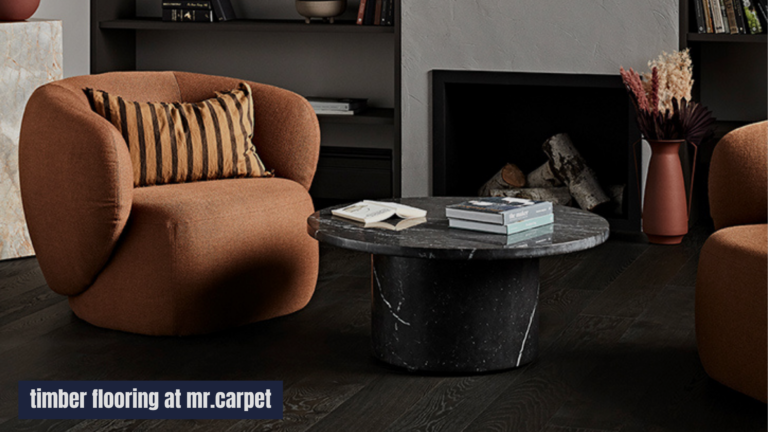
4. Hardwood Flooring: Timber Flooring
Advantages: Hardwood flooring adds a classic and elegant look to any office space. It’s durable, long-lasting, and can be refinished multiple times to restore its appearance. Hardwood floors also tend to increase the value of a property.
Considerations: Hardwood flooring can be more expensive upfront compared to other options. It’s also susceptible to scratching and moisture damage, so it may not be the best choice for areas with high humidity or the potential for spills.
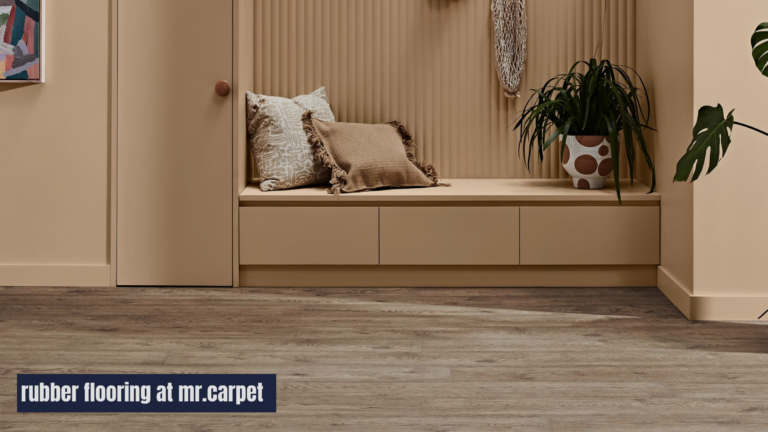
5. Rubber Flooring:
Advantages: Rubber flooring provides excellent shock absorption and noise reduction, making it ideal for areas where ergonomic comfort and sound insulation are important. It’s also highly durable, slip-resistant, and easy to clean.
Considerations: While rubber flooring is resilient and comfortable to stand on, it may not be the most aesthetically pleasing option for all office environments. Additionally, certain types of rubber flooring may emit a slight odor initially, although this typically dissipates over time.
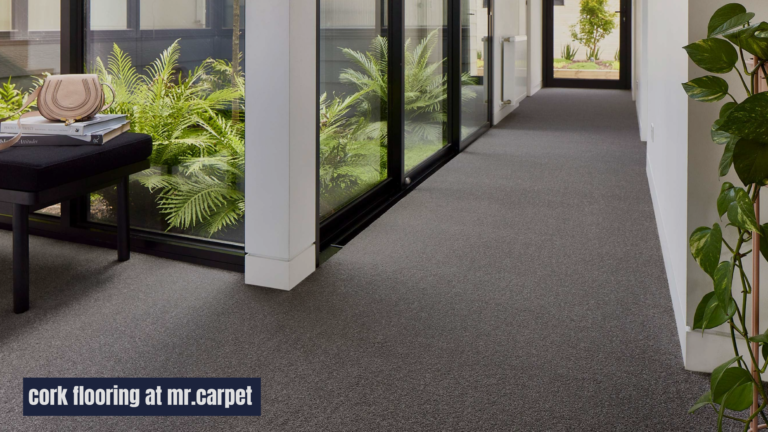
6. Cork Flooring:
Advantages: Cork flooring is eco-friendly, renewable, and provides natural thermal and acoustic insulation. It’s soft and comfortable underfoot, making it ideal for areas where employees may be standing for long periods. Cork flooring is also resistant to mold, mildew, and allergens.
Considerations: While cork flooring is durable, it can be susceptible to damage from sharp objects or heavy furniture. It may also require periodic sealing to protect against moisture and stains.
When selecting office flooring, it’s essential to consider factors such as the level of foot traffic, maintenance requirements, budget constraints, acoustic properties, and carpet cleaning method. Additionally, it’s a good idea to consult with flooring professionals to determine the most suitable option for your specific office environment.
How to make the best choice for your office flooring؟
what is the flooring impact in office decoration?
The flooring within an office holds significant sway over its decorative essence, exerting influence on the ambiance, utility, and visual allure of the workspace.
Beyond its mere practicality, flooring establishes the fundamental groundwork for the office’s aesthetic, setting the mood and style for the environment.
Whether it’s the warmth and refinement of hardwood, the contemporary allure of polished concrete, or the lively dynamism of colorful carpet tiles, the choice of flooring material, hue, texture, and design can profoundly shape the office’s overall aesthetic impression.
Moreover, flooring aids in spatial organization and way finding within the office, demarcating distinct zones and directing the flow of pedestrian traffic. Furthermore, factors such as comfort, safety, and acoustic performance are integral considerations in office design, with flooring selections pivotal in fulfilling these needs.
Ultimately, the flooring within an office not only elevates its visual appeal but also contributes significantly to the overall functionality and comfort of its occupants, rendering it a vital component in office decor.The flooring in an office space has a significant impact on its overall decoration and ambiance.
1. Aesthetic Appeal flooring:
Flooring serves as the foundation for the office decor and sets the tone for the entire space. The color, texture, and pattern of the flooring can greatly influence the visual impact of the office interior. For example:
Hardwood flooring adds warmth and sophistication to traditional or upscale office environments.
Modern office spaces may feature sleek and polished concrete flooring for a contemporary look.
Carpeting can introduce color, texture, and visual interest, enhancing the overall design scheme of the office.
2. Visual Continuity of flooring:
Consistent flooring throughout the office creates a sense of cohesion and visual continuity. It helps unify different areas within the workspace, such as open-plan work areas, meeting rooms, and common areas. Consistent flooring also makes the office appear more spacious and harmonious.
3. Space Perception of flooring:
The type of flooring chosen can affect how the office space is perceived. For instance:
Light-colored like popular gray flooring can make a small office space appear larger and more open.
Dark-colored flooring can create a sense of intimacy and coziness in larger spaces.
Flooring materials with reflective surfaces, such as polished concrete or glossy tiles, can enhance natural light and make the office feel brighter and more expansive.
4. Branding and Identity of company flooring:
Flooring can be used as a tool for expressing the brand identity and corporate culture of a business.
For example:A tech company may opt for a modern and minimalist design with polished concrete or carpet tiles in vibrant colors to reflect innovation and creativity.
A law firm may choose classic hardwood flooring or elegant carpeting to convey professionalism and sophistication.
Environmental and sustainability-focused companies may prioritize eco-friendly flooring materials, such as bamboo or recycled carpet, to align with their values.
5. Comfort and Well-being of office flooring:
The comfort and well-being of employees are essential considerations in office design. The flooring material can impact acoustic comfort, temperature regulation, and ergonomic support:
Carpeting and carpet tiles offer noise reduction properties, creating a quieter and more comfortable environment for employees.
Flooring materials with natural insulation properties, such as cork or rubber, can help maintain a comfortable temperature and improve energy efficiency.
Ergonomic considerations, such as underfoot cushioning and slip resistance, contribute to the physical comfort and safety of employees.
6. Maintenance and Practicality:
The practical aspects of flooring, such as maintenance requirements and durability, also influence office decoration:
Low-maintenance flooring options, such as vinyl or laminate, are suitable for high-traffic areas and busy office environments.
Flooring that is easy to clean and resistant to stains and spills helps maintain a clean and professional appearance.
Durable flooring materials with long lifespans offer cost-effective solutions and reduce the need for frequent replacements or renovations.
7. Texture and Tactility flooring:
The texture of the flooring can add depth and interest to the office environment, stimulating the senses and creating a tactile experience for occupants. For example:
Textured carpeting or carpet tiles with varying pile heights can create visual interest and tactile contrast, adding dimension to the space.
Natural stone or tile flooring with textured surfaces, such as slate or travertine, provides a tactile experience and adds character to the office interior.
Wood flooring with hand-scraped or distressed finishes adds rustic charm and a sense of authenticity to the office decor.
8. Flexibility and Adaptability of flooring:
The flexibility of flooring options allows for creative expression and adaptability in office design:
Modular flooring systems, such as carpet tiles or interlocking floor tiles, offer flexibility in layout and customization. They can be easily replaced or reconfigured to accommodate changing needs or design preferences.
Temporary flooring solutions, such as removable vinyl decals or adhesive floor graphics, provide opportunities for seasonal decor or branding initiatives without permanent alterations to the flooring.
9. Biophilic Design:
Incorporating elements of nature into the office environment, known as biophilic design, has been shown to improve employee well-being and productivity. Flooring materials that mimic natural elements can evoke a connection to the outdoors:
Biophilic flooring options, such as bamboo, cork, or reclaimed wood, bring the beauty and warmth of nature into the office space, fostering a sense of calm and tranquility.
Carpet patterns inspired by natural motifs, such as leaves, flowers, or organic shapes, evoke feelings of vitality and connection to the natural world.
10. delineate spatial zones within the office flooring:
Differentiating flooring materials or patterns can signal transitions between areas with distinct functions, such as work zones, circulation paths, or collaborative spaces.
Flooring in bold colors or patterns can serve as visual cues to highlight important landmarks or destinations within the office, such as meeting rooms, break areas, or reception areas.
In summary, the flooring in an office space plays a crucial role in its decoration by contributing to aesthetic appeal, visual continuity, space perception, branding, comfort, and practicality. Choosing the right flooring material and design can enhance the overall ambiance, functionality, and well-being of the workspace while reflecting the values and identity of the business.

With over 53 years of experience MR CARPET has achieved recognition as one of Australia’s most respected suppliers and installers of residential, commercial and specialist carpets.
Quick Links
Contact Info
- 02 9417 8800
- [email protected]
- 4/28 Smith Street Chatswood NSW 2067
Newsletter
Sign up for Mr Carpet emails to be the first to see inspire contents and news
Copyright © 2025. All rights reserved.